In a monumental movement for space exploration, scientists have uncovered evidence that suggests we may not be alone in the universe. Data from long-term astronomical research has revealed that all si…

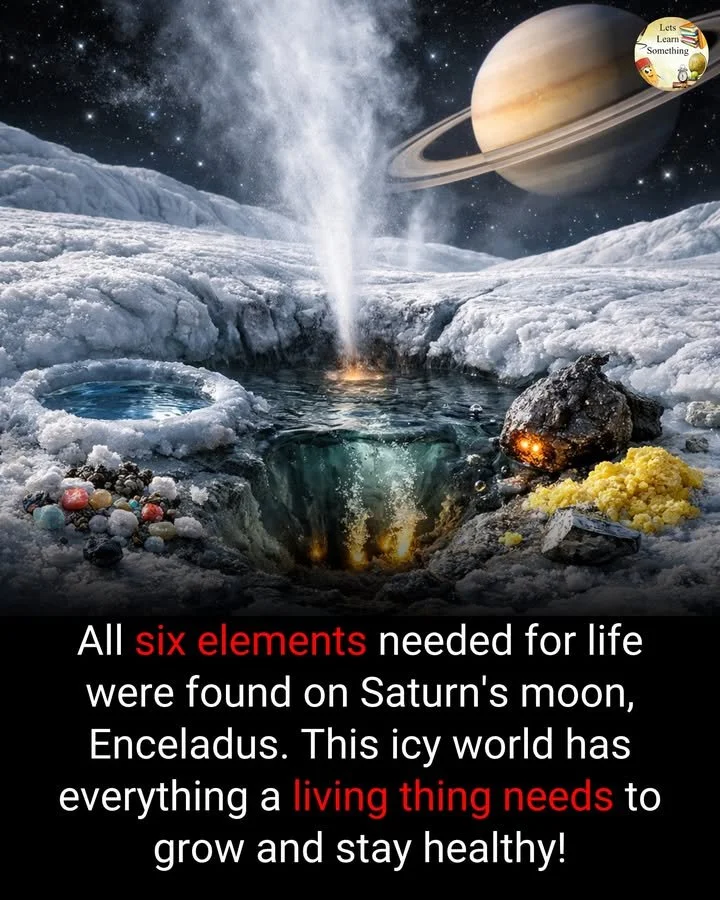
Breakthrough in Space Exploration: Evidence of Potential Extraterrestrial Life
In a monumental leap forward for space exploration, scientists have made a groundbreaking discovery that suggests humanity may not be alone in the universe. Through extensive and meticulous long-term astronomical research, data has come to light that could change our understanding of life beyond Earth.
The Findings
The astronomical team, utilizing state-of-the-art technology and analytical techniques, has meticulously pieced together an array of data indicating potential signs of extraterrestrial life. This evidence is drawn from decades of observations, cataloging phenomena across vast stretches of cosmic expanse. The findings point towards the presence of complicated organic molecules and unusual atmospheric patterns on certain exoplanets, presenting a compelling argument for the existence of life.
The Significance of Exoplanets
Exoplanets, or planets that orbit stars outside our solar system, have been at the forefront of astronomical research in recent years. Advances in telescope technology allow scientists to detect not just the existence of these distant worlds but also analyze their atmospheres for chemical signatures that might indicate biological activity.
For instance, the data highlights notable exoplanets within the "Goldilocks Zone"—the region around a star where conditions may be just right for life to flourish. The biochemical compositions analyzed suggest the potential for life-sustaining conditions, leading researchers to consider whether these environments could nurture life as we know it, or perhaps even forms of life previously unimaginable.
Implications for Humanity
The implications of these findings are profound, raising questions about humanity’s place in the cosmos. If we are not alone, what does that mean for our development as a species? For centuries, philosophers and scientists alike have pondered the existence of extraterrestrial beings. This research invigorates those discussions with empirical evidence, sparking new inquiries into our own origins and the vast possibilities that exist within the universe.
Furthermore, the potential discovery of alien life forms could catalyze international collaboration in scientific research and space exploration efforts. Nations around the globe may unite in a common mission to understand our cosmic neighbors, fostering unity in the quest for knowledge.
A Call to Explore
As humanity stands on the precipice of this newfound understanding, the call to advance our exploration efforts has never been more urgent. Space agencies worldwide are already planning missions to further investigate the cosmic regions that show the most promise for life. The data collected will be pivotal in shaping the trajectory of future explorations, encouraging the development of both manned and unmanned spacecraft designed to traverse these alien worlds.
Conclusion
In summary, the evidence emerging from this monumental movement in space exploration presents a thrilling glimpse into the possibility of extraterrestrial life. It invites us to engage more deeply with the universe around us, pushing the boundaries of our knowledge and stimulating curiosity. As we explore these newfound frontiers, we embark on a journey not just into space, but into the very essence of existence itself. We may soon discover that we are not just observers of the cosmos, but participants in a much larger narrative. The stars are calling, and it’s time we answer.